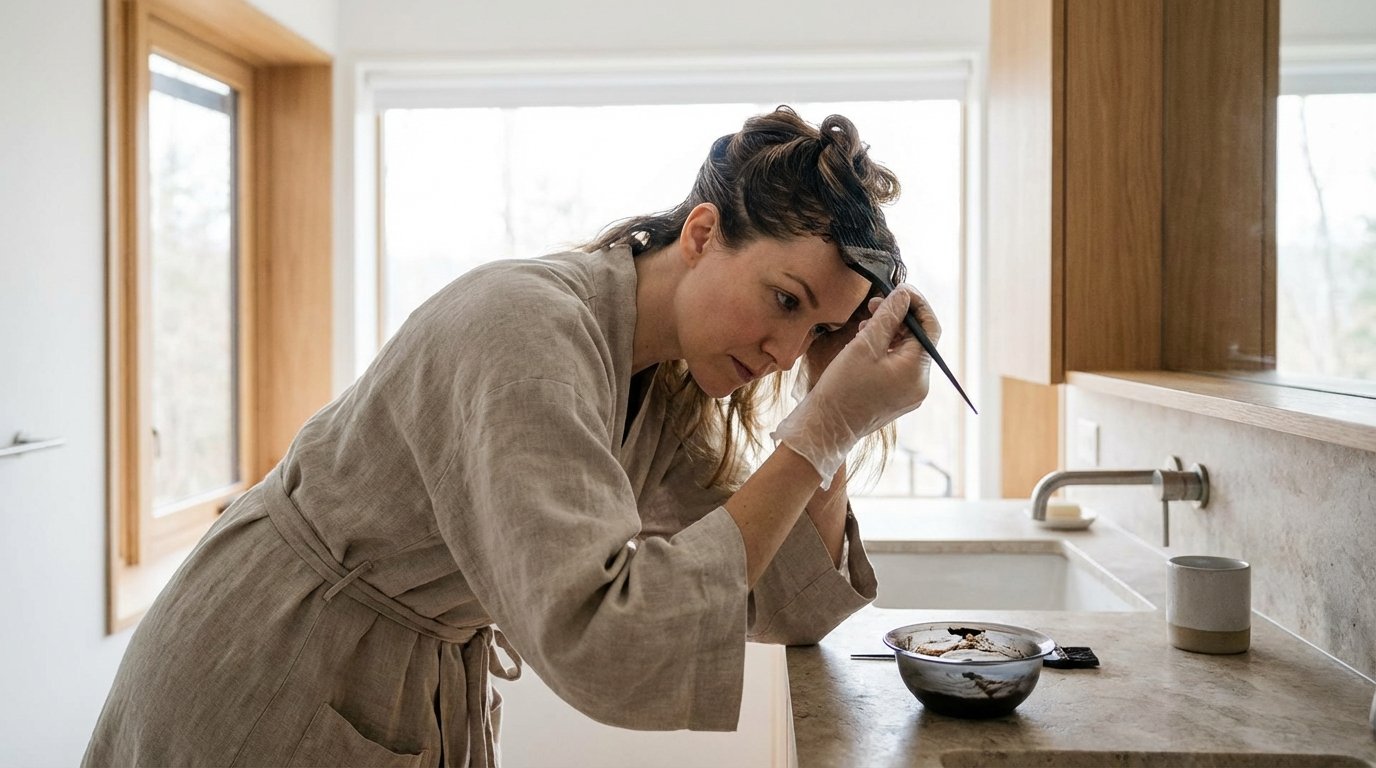
Maintaining a vibrant look often involves a trip to the salon or a box of DIY color. For many women, dyeing hair is a routine part of self-care and confidence. However, recent scientific evidence suggests that we might need to look closer at what these chemicals are doing to our bodies over the long term. This isn’t about fear-mongering; it’s about making informed choices for your health and longevity.
The Risk Factors
- Permanent Connection: Frequent use of permanent hair dye is linked to increased breast cancer risk.
- Endocrine Disruption: Specific chemicals act as disruptors, mimicking estrogen in the body.
.
- Scalp Permeability: The scalp absorbs significant amounts of these toxins into the bloodstream.
- Safe Intervals: Reducing frequency to every 8-12 weeks can significantly lower cumulative exposure.
The Massive 2019 Study: 46,000 Women Acknowledged
A landmark study published in the International Journal of Cancer in 2019 changed the conversation around hair cosmetics. Researchers followed more than 46,000 women in the United States over several years to track the correlation between hair product use and health outcomes. The results were startling: women who used permanent hair dye regularly had a 9% higher risk of developing breast cancer compared to those who didn’t. Even more concerning was the data for frequent users (every five to eight weeks), where risk increased significantly.
The Chemical Culprits: Why Your Scalp Matters
It is a common misconception that hair dye only affects the hair shaft. In reality, the scalp is highly permeable. When you apply chemicals to your head, a portion of those substances crosses the skin barrier and enters your bloodstream. Modern hair dyes often contain aromatic amines, parabens, and resorcinol—chemicals that can disrupt thyroid function and hormonal balance.
How to Reduce Your Risk Without Giving Up Your Style
You don’t have to choose between your appearance and your health. Making a few strategic adjustments can significantly lower your chemical load:
- Reduce Frequency: Try stretching your sessions to 8 or 12 weeks. Every extra week reduces cumulative exposure.
- Switch to “Clean” Formulas: Look for brands free of ammonia, parabens, and heavy metals.
- Avoid the Scalp: Consider techniques like balayage or highlights, where systemic absorption is nearly zero.
- Natural Pigments: High-quality pure henna or vegetable-based pigments are excellent alternatives.
Conclusion: Knowledge is Power
Understanding the risks associated with frequent hair dyeing allows you to move away from “autopilot” and make conscious decisions. By choosing cleaner products and reducing application frequency, you can enjoy your beauty routine while prioritizing your long-term wellness. Health is a strategy, not a radical restriction.
Source: Based on research discussed by Dr. Dayan Siebra. Watch the medical breakdown here.
MEDICAL DISCLAIMER: This content is for informational purposes only and does not substitute professional medical advice, diagnosis, or treatment. Always seek the advice of your physician or other qualified health provider with any questions you may have regarding a medical condition.
Expert Health Daily Analysis: Longevity Protocols
Integrative medicine focuses on the synergy between different physiological systems. Clinical evidence published by the Mayo Clinic supports the use of specific plant compounds to modulate aging at a cellular level. [Source: Mayo Clinic Proceedings]