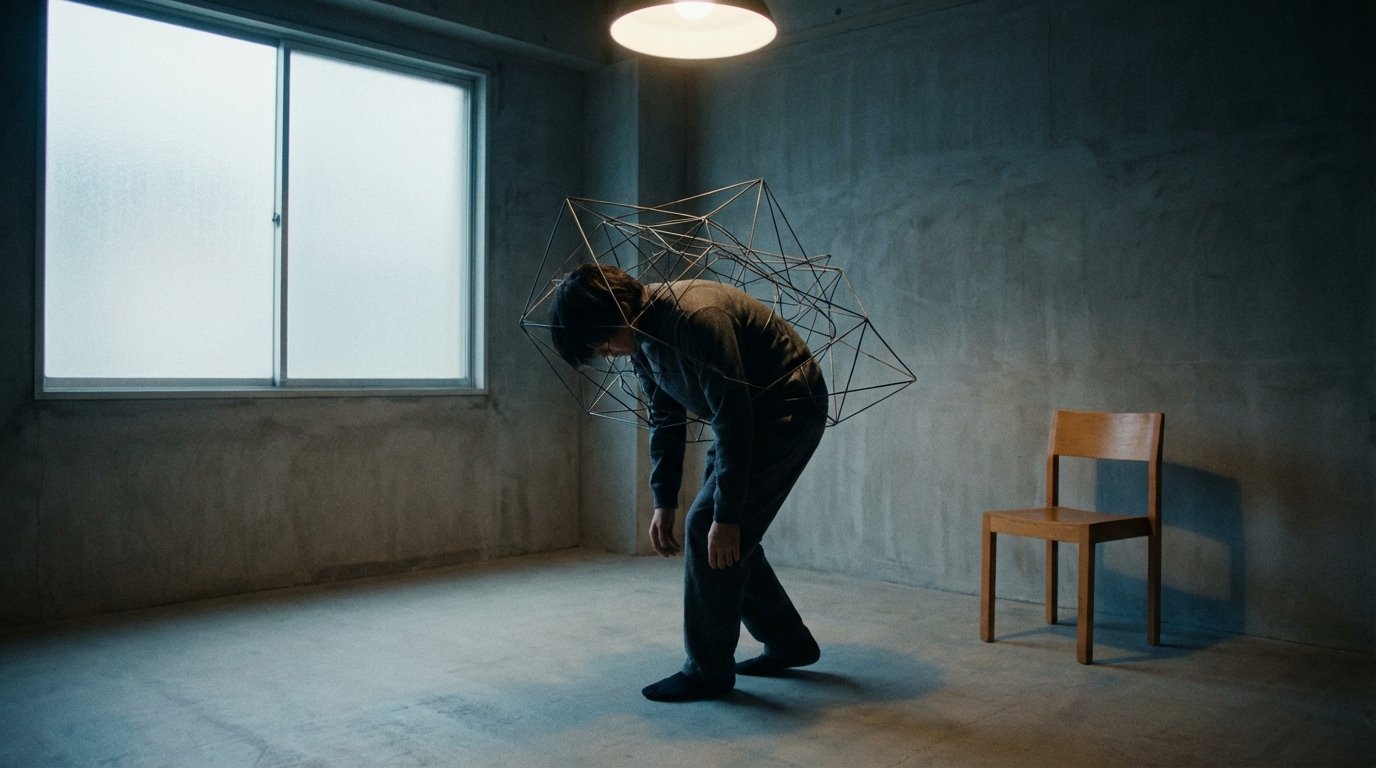
In our modern, high-speed world, stress has become a nearly constant companion. While a small amount of stress can act as a catalyst for productivity, chronic activation of the “fight or flight” response can have devastating effects on your biological systems. According to experts at Tua Saúde, stress doesn’t just reside in the mind—it manifests through a complex array of physical symptoms that are often misdiagnosed or ignored.
Physical Symptoms
- Cardiovascular: Increased heart rate and elevated blood pressure.
- Gastrointestinal: Stomach pain, diarrhea, and dry mouth.
- Dermatological: Hair loss and unexplained skin issues.
Mental & Emotional
- Cognitive: Memory lapses and difficulty concentrating.
- Emotional: Chronic anxiety, irritability, and loss of interest.
- Behavioral: Jaw clenching and nail-biting.
The 17 Silent Warning Signs
The human body is highly vocal about its limits. When the sympathetic nervous system is stuck in overdrive, it releases a flood of cortisol and adrenaline. Common signs include frequent headaches, persistent muscle tension, and cold or sweaty hands and feet. In more severe cases, chronic stress can lead to a significant reduction in libido and severe sleep disturbances like insomnia.
Differentiating Stress from Anxiety
It is crucial to understand the difference between these two states. Stress is typically a reaction to an external threat or pressure (like a deadline or a life transition). Once the pressure is removed, the stress usually subsides. Anxiety, however, is a persistent internal state of worry that may continue even in the absence of an immediate stressor. Both require distinct approaches to management and treatment.
Scientific Deep Dive: The Cortisol Connection
When you experience stress, your adrenal glands produce cortisol, often called the “stress hormone.” Under normal circumstances, cortisol helps manage inflammation and blood sugar. However, chronic high levels of cortisol can lead to “cortisol resistance,” which is linked to metabolic syndrome, weight gain (specifically abdominal fat), and a weakened immune system. In the U.S., the American Institute of Stress estimates that 75-90% of all primary care visits are for stress-related complaints.
Reclaiming Your Balance: What to Do
- Physical Activity: Exercise like running or dancing promotes the production of endorphins, our natural painkillers and mood elevators.
- Natural Remedies: Chamomile tea, valerian root, and lavender essential oils have sedative properties that help calm the mind.
- Lifestyle Changes: Prioritize sleep and avoid toxins like tobacco and excessive caffeine which can mimic stress symptoms.
- Psychotherapy: Working with a therapist provides tools to handle challenges with greater emotional flexibility.
Conclusion: Listen to Your Body
Chronic stress is not a badge of honor; it is a clinical risk factor for major diseases. If you recognize these symptoms in yourself, it is time to consult a psychiatrist or a general practitioner. By taking proactive steps today, you can prevent long-term damage to your mental and physical health.
Source: Tua Saúde – Sintomas de estresse no corpo e na mente
Medical Disclaimer: The information provided in this article is for educational purposes only and does not substitute professional medical advice, diagnosis, or treatment. Always seek the advice of your physician or other qualified health provider with any questions you may have regarding a medical condition.
MEDICAL DISCLAIMER: This content is for informational purposes only and does not substitute professional medical advice, diagnosis, or treatment. Always seek the advice of your physician or other qualified health provider with any questions you may have regarding a medical condition.
Expert Health Daily Analysis: The Science of Functional Nutrition
Metabolic health is not just about calories; it is about chemical signaling. Research in Nature Communications suggests that micronutrient density is the primary driver of satiety and hormonal balance. [Source: Nature Communications]