Key Takeaways
- Chlorine’s Role: Essential for municipal water treatment but potentially harmful if consumed long-term.
- Reactivity: Chlorine reacts with organic matter to form toxic byproducts like trihalomethanes.
- Beyond Drinking: Exposure occurs through bathing, cooking, and even inhaling steam in the shower.
What to Do
- The Ortotolidine Test: A simple home reagent test can reveal the chlorine levels in your water.
- Effective Filtration: Not all filters are created equal; high-quality systems are necessary to remove chemical residues.
- Health Foundation: Clean water is the essential base for all metabolic and cellular functions.
If you think the water coming out of your tap is clean simply because it appears transparent, you need to pay close attention. This common misconception could be silently undermining your health every single day. Whether you are drinking from the tap, cooking your meals, or even just taking a hot shower, you are exposing your body to chemical residues that most people never consider. Understanding what is truly dissolved in your water is not about creating panic—it is about gaining the consciousness needed to protect your biological performance.
The Paradox of Chlorine: A Life-Saver with a Hidden Cost
Chlorine has undoubtedly saved millions of lives throughout history. Its primary function in municipal water treatment is to eliminate deadly bacteria, viruses, and microorganisms. In this context, chlorine is a vital tool for public safety. However, the problem begins once that water reaches your home. While chlorine’s job is to sanitize the water at the treatment plant, consuming those chemical residues and the subproducts they create is far from ideal.
Chlorine is a highly reactive substance. When it comes into contact with organic matter—such as plant debris, microscopic dirt, or even biological compounds within the water—it reacts to form chemical subproducts. Many of these compounds, specifically trihalomethanes, have been linked to negative health effects over decades of scientific study. Long-term, cumulative exposure is where the real risk lies.
The Full Spectrum of Exposure: It’s Not Just About Drinking
Most people assume they are safe if they drink bottled water, but they ignore the other ways their bodies interact with tap water. Your skin is your largest organ, and it absorbs a portion of whatever it touches. When you wash your face, brush your teeth, or take a steaming hot shower, you are absorbing chlorine and inhaling its vapors. This daily exposure can lead to visible issues like dry skin and eye irritation, but it also raises concerns about internal systemic imbalances and long-term cellular health.
A Simple Science Experiment: The Ortotolidine Test
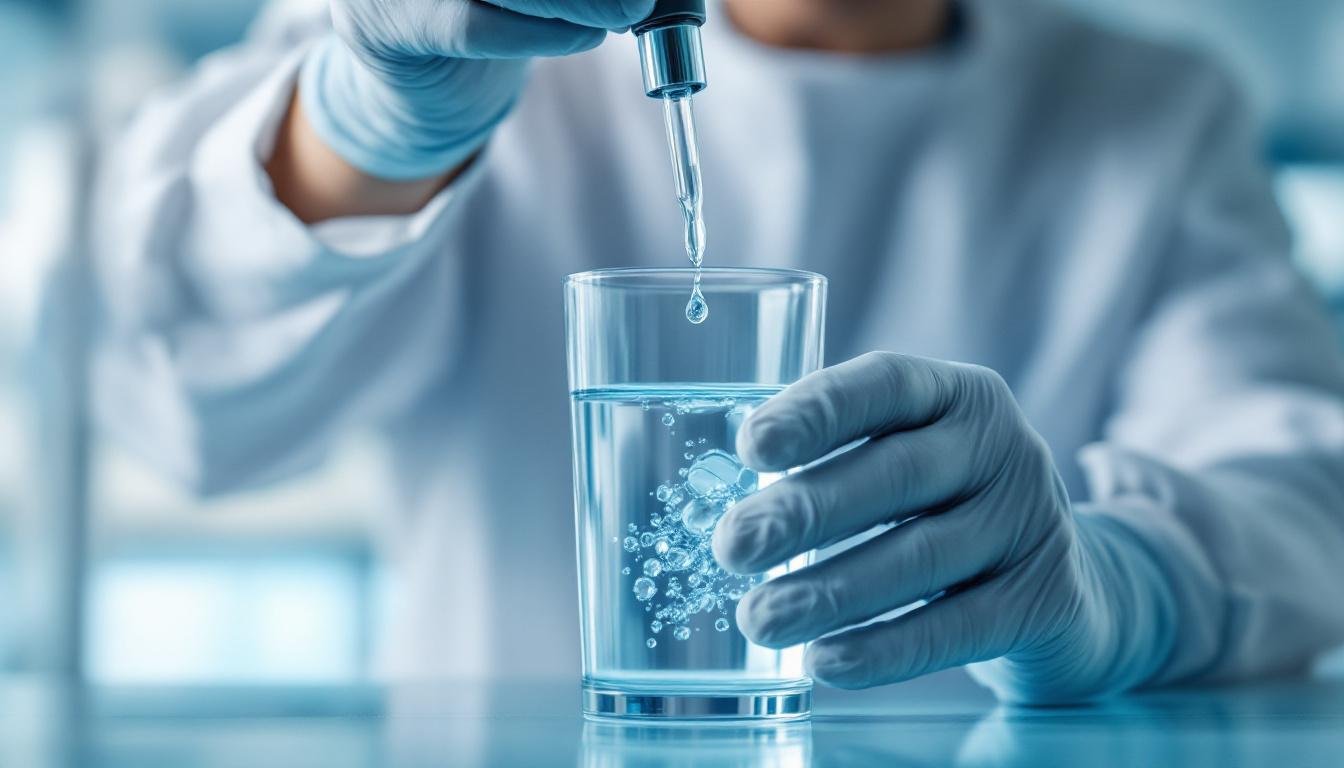
You don’t have to take anyone’s word for it—you can see the evidence for yourself with a simple home test using a reagent called Ortotolidine. By adding just five drops of this reagent to a glass of your tap water, you can visualize the chemical load. If the water turns yellow, it indicates the presence of chlorine and its subproducts. The more intense the yellow color, the higher the concentration. In many cases, tap water can turn a shade as dark as urine, revealing a chemical load that would shock the average consumer.
Why a Standard Filter Might Not Be Enough
Many common household filters are designed primarily to improve the taste and odor of water. While they may make the water more palatable, they often fail to remove the chemical subproducts effectively. A truly medical-grade filtration system must utilize advanced technology to reduce chlorine and chemical residues to near-zero levels. Investing in such a system is not a luxury; it is a strategic health decision. Clean water is the foundation of metabolism, circulation, toxin elimination, and cellular function. Without a high-quality water source, even the best diet in the world is built on a compromised foundation.
Scientific Context: The Impact of Trihalomethanes (THMs)
Trihalomethanes (THMs) are a group of four chemicals—chloroform, bromodichloromethane, dibromochloromethane, and bromoform—that form when chlorine reacts with organic matter in water. The U.S. Environmental Protection Agency (EPA) regulates these as “Disinfection Byproducts” (DBPs). Research has consistently explored the link between chronic ingestion of THMs and an increased risk of bladder and colorectal cancers, as well as potential reproductive issues. Minimizing your total toxic load by removing these from your primary water source is a fundamental pillar of modern longevity.
Conclusion: Taking Control of Your Biological Foundation
Your body is constantly dealing with inflammation, environmental stress, and the demands of modern life. Adding an unnecessary chemical burden through your daily water usage is a variable you can control. By testing your water and implementing a high-efficiency filtration strategy, you are securing the most basic element of your health. Don’t wait for a diagnosis to start caring about the quality of what makes up 70% of your body. Take the test, see the results, and assume control of your health today.
Source Citation: Insights adapted from the medical expertise of Dr. Dayan Siebra. Original video: TESTE CASEIRO REVELA O VENENO ESCONDIDO NA SUA ÀGUA
DISCLAIMER: This article is for informational purposes only and does not substitute for professional medical advice, diagnosis, or treatment. Always seek the advice of your physician or other qualified health provider with any questions you may have regarding a medical condition.