The Hidden Toll of Smoking: How Carbon Clogs Your Lungs at the Cellular Level
Key Takeaways
- Alveoli Destruction: Smoking fills the microscopic air sacs (alveoli) with carbon soot, causing them to collapse.
- Ciliary Paralysis: The “cleaning” hairs in your lungs lose mobility, trapping toxins forever.
Fast Facts
- 200 Million: The approximate number of alveoli in each lung.
- Irreversible: Once alveoli shrivel and the bronchioles are blocked, that lung tissue is effectively dead.
Imagine taking a clean white cloth, taking a deep drag of a cigarette, and blowing the smoke directly into the fabric. What remains is a dark, soot-like residue—the soot of combustion. Now, consider that your lungs are far more delicate than any cloth. In his latest clinical breakdown, Dr. Drauzio Varella illustrates the devastating physical transformation that occurs inside a smoker’s lungs, moving from the windpipe down to the 400 million microscopic sacs that keep us alive.
The Architecture of Your Breath: The Bronchial Tree
Your respiratory system is often compared to an inverted tree. The trachea, or windpipe, acts as the trunk, which then splits into two main bronchi—one for the left lung and one for the right. As these tubes penetrate deeper into the lung tissue, they divide repeatedly: two become four, four become eight, and so on, until they become microscopic tubes called bronchioles, some thinner than a human hair.
At the very tip of these “branches” are the alveoli. These are tiny, balloon-like sacs where the miracle of life happens: oxygen enters your bloodstream, and carbon dioxide is expelled. We are born with an immense respiratory reserve—about 200 million alveoli per lung—which is why the damage from smoking often takes years to manifest as noticeable shortness of breath.
How Soot Becomes “Lead” Inside Your Lungs
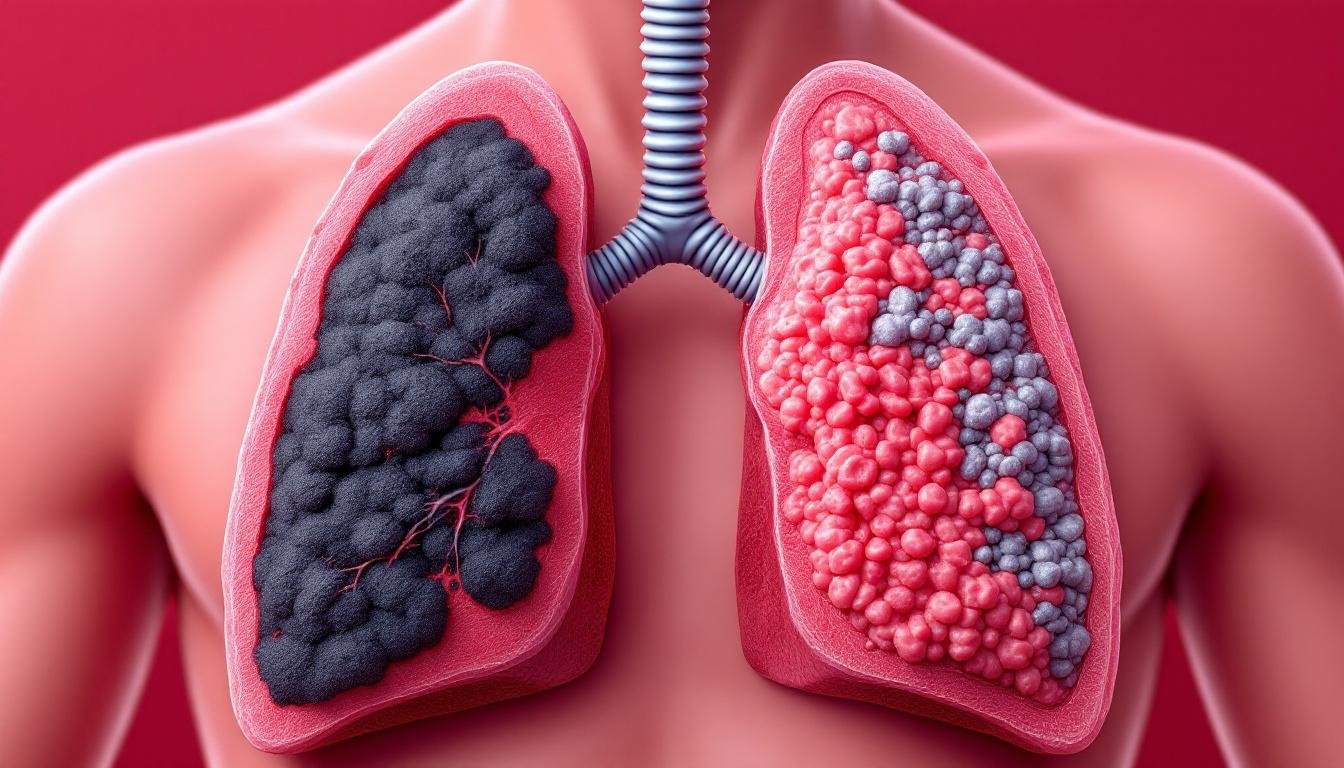
When you inhale cigarette smoke, the particulate matter (soot) travels through this bronchial tree and settles in the alveoli. This is essentially a “dead-end street.” Once the soot reaches the air sacs, it has nowhere else to go. In a healthy body, microscopic hairs called cilia line the airways, moving in a rhythmic wave to push mucus and debris out of the lungs.
However, chronic smoking paralyzes and eventually destroys these cilia. Without this cleaning mechanism, the soot accumulates, compacts, and solidifies. Dr. Varella recalls observing thoracic surgeries where a surgeon opened a bronchiole only to extract what looked like a solid piece of pencil lead—compacted carbon that had completely blocked the airway.
The Two Stages of Lung Damage
- Acute Inflammation: In the short term, the soot irritates the lining of the bronchi, leading to the infamous “smoker’s cough” and a decrease in physical stamina. This is the body’s immediate attempt to reject the foreign matter.
- Chronic Obstruction: Over time, the bronchioles become permanently clogged. When air can no longer reach an alveolus, it shrivels and collapses like a deflated birthday balloon. This loss of tissue is irreversible.
Scientific Context: The Diffusion Barrier
The efficiency of your lungs depends on the surface area of the alveoli. If you were to spread out all the alveoli in a healthy adult’s lungs, they would cover the surface of a tennis court. This massive area allows for rapid gas exchange. Smoking essentially “paves over” this court with carbon. As the surface area shrinks, your heart has to work harder to pump blood through the remaining functional tissue, eventually leading to secondary cardiovascular issues.
Conclusion: A Matter of Minutes
While we can survive weeks without food or days without water, we cannot survive more than a few minutes without the oxygen exchange provided by our lungs. A healthy lung is a vibrant, pinkish-red tissue; a chronic smoker’s lung often looks like it has been splashed with black ink, covered in coalescing patches of carbon that have permanently replaced functional tissue. Protecting your breath is the single most important step you can take for your long-term survival.
Source: Drauzio Varella – Impact of Smoking on Lungs
DISCLAIMER: This content is for informational purposes only and does not constitute medical advice. Smoking is a leading cause of preventable death. If you are struggling to quit, consult a healthcare professional about cessation programs and FDA-approved therapies.