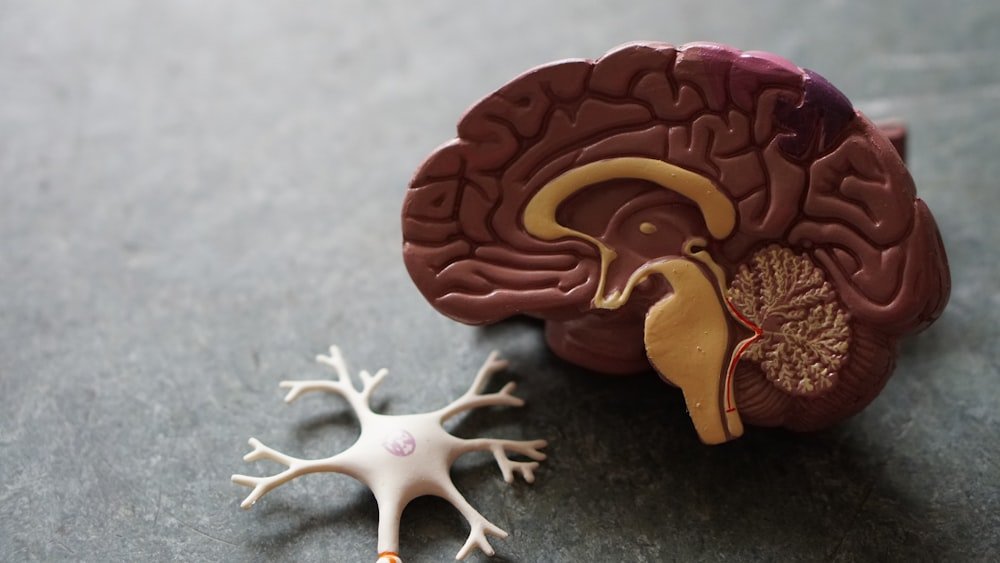
- Investing in preventive mental health is more cost-effective and profitable than treating chronic conditions.
- Mental health should be treated with the same priority as cardiovascular or pulmonary health.
- Neuroplasticity can reinforce both positive and negative habits; discipline is key to realigning the brain.
- Practice “Insight”: Develop self-awareness to detect early warning signs of distress.
- Moderate immediate pleasures to prevent long-term “dopamine exhaustion.”
- Use cold water or nature contact to activate the vagus nerve and calm the nervous system.
In an era where mental health awareness campaigns are at an all-time high, a startling paradox has emerged: the more we talk about psychological well-being, the less we seem to actually practice it. Globally, over 1.25 billion people are living with mental health disorders, resulting in an estimated $1 trillion annual loss in productivity. According to Dra. Ana Beatriz Barbosa Silva, a renowned psychiatrist and expert in human behavior, the gap between awareness and action is rooted in our biological drive for immediate pleasure and a fundamental misunderstanding of how the brain—our most sophisticated organ—functions.
The Comfort of the “Diseased State”
One of the most challenging aspects of mental recovery is the brain’s inherent laziness. Dra. Ana Beatriz explains that when a brain is “tired” or overloaded by excessive stress, it tends to settle into a diseased function because it expends less energy than maintaining a state of high awareness and discipline. This is where neuroplasticity becomes a double-edged sword. Just as a forest path closes if not used, synaptic pathways for health can atrophy, while pathways for negative habits—like poor posture, emotional dysregulation, or avoidance—become the “new normal.”
Prevention vs. Cure: The Cardiovascular Analogy
Most people wouldn’t wait for a massive heart attack before seeing a cardiologist, yet they wait for a complete mental breakdown before seeking psychological help. “Mental health is like cardiovascular health,” says Dra. Ana Beatriz. “You need to know about it even if nothing is currently wrong.” By understanding our genetic predispositions and early symptoms, we can delay or even prevent the onset of severe depression or anxiety. The goal isn’t just to “cure” a disorder but to constantly realign our “mental posture,” much like correcting a crooked spine before it causes permanent damage.
The Danger of the “Self-Fulfilling Prophecy” and Labels
In our rush to categorize everything, there is a rising trend of “inflationary consciousness.” This occurs when normal anxieties or temporary inattention (often caused by poor sleep or nutrition) are immediately labeled as ADHD or clinical disorders. Dra. Ana Beatriz warns against reducing oneself to a diagnosis. “You are not your diagnosis,” she emphasizes. Labels can sometimes act as emotional crutches that prevent us from taking responsibility for our evolution. A diagnosis should be a starting point for action, not a permanent stamp that justifies stagnation.
Scientific Deep Dive: The Sympathetic vs. Parasympathetic War
At the physical-chemical level, mental health is a struggle between two branches of the autonomic nervous system: the Sympathetic (which prepares you for battle/stress) and the Parasympathetic (which handles relaxation and recovery). Chronic anxiety keeps the sympathetic system overactivated, leading to high cortisol, tachycardia, and a constant state of “fight or flight.”
To counteract this, we must consciously activate the Vagus Nerve, the primary component of the parasympathetic system. Dra. Ana Beatriz suggests simple, science-backed methods to “turn on” our internal relaxation response:
- Cold Water Exposure: Splashing cold water on the face activates the trigeminal nerve, triggering an immediate parasympathetic response.
- The “Blue Mind” Effect: Spending 20 minutes near nature or water three times a week can recalibrate the brain’s stress levels.
- Moderate Pleasure: Excess salt, sugar, and digital stimuli clog our taste buds and dopamine receptors. Moderation prevents “receptor exhaustion,” allowing us to find joy in simpler, more sustainable activities.
FAQ Section
Is shyness a disease?No. Shyness is a personality trait. However, when shyness becomes so intense that it causes physical symptoms like sweating and tachycardia, it may have evolved into social phobia, which requires treatment.
Can depression be cured?In medicine, few things have a permanent “cure” in the way an infection does. Depression is a management process. Once you overcome an episode, the goal is to maintain health practices to prevent a relapse.
Should I go to the beach or church to help my depression?Dra. Ana Beatriz warns that in cases of severe depression, forcing a patient into high-stimulus environments (like a crowded beach or a loud church service) can be traumatizing. The brain must be stabilized with medication or therapy before these activities become beneficial.
Conclusion: The Path to Stability
Mental health requires more than just conversation; it requires concrete action. By developing “insight”—the ability to perceive when we are drifting from our healthy baseline—and utilizing tools like cognitive behavioral therapy and neuroplasticity, we can reclaim our lives. Don’t wait for the “blue sky” to turn grey before you start caring for your most important organ.
Source: Mental Health: What We Ignore Until We Get Sick? – PodPeople
Medical Disclaimer: The information provided in this article is for educational purposes only and is not intended as medical advice. Mental health conditions are complex and require professional diagnosis. If you or someone you know is struggling, please consult a licensed psychiatrist or healthcare professional immediately. In case of an emergency, contact your local crisis hotline or emergency services.
MEDICAL DISCLAIMER: This content is for informational purposes only and does not substitute professional medical advice, diagnosis, or treatment. Always seek the advice of your physician or other qualified health provider with any questions you may have regarding a medical condition.
Expert Health Daily Analysis: Neurobiology of Resilience
Modern psychiatry is shifting toward a more integrative model, where neuroplasticity is supported by both clinical therapy and nutritional biology. Studies in Molecular Psychiatry demonstrate that reducing systemic inflammation directly correlates with improved neurotransmitter function. [Source: Molecular Psychiatry]